

For fashion founders, sustainability is no longer simply a word to add to a brand bio or marketing campaign. It needs to be supported by the way a brand chooses materials, works with suppliers, manages production and communicates with customers. Sustainable fashion sourcing means understanding where products and materials come from, who makes them, how they are produced and whether the claims made about them can actually be supported.
As highlighted in The Odd Factory’s recent content, a strong fashion brand is built on clarity, responsibility and the right sourcing network. Founders need to move beyond random supplier contacts and build a sourcing system that supports both the brand’s values and long-term production requirements.
Sustainability Starts With Knowing Where Your Fabric Comes From
One of the first questions a fashion founder should ask is: Where is my fabric coming from?
Fabric selection influences the quality, appearance, comfort and overall positioning of a collection. But sustainable sourcing requires founders to look beyond how a fabric looks or feels. They should understand its origin, composition and the supplier providing it.
Before making sustainability claims, founders should have enough information about their materials to explain why they have selected them. Simply calling a fabric “sustainable” without understanding its sourcing can create confusion and weaken customer trust.
A clear sourcing process helps founders make better decisions and communicate those decisions more confidently.
Know Who Is Making Your Garments
Sustainable sourcing is also about understanding the people and businesses involved in production.
Fashion founders should know who is manufacturing their garments and have clarity about their supplier or manufacturing network. Working with the right partners can make production more transparent and easier to manage.
Instead of choosing a manufacturer only because they offer a low price, founders should consider whether the supplier is suitable for their product, production requirements and brand expectations.
Building relationships with reliable vendors, suppliers and manufacturers can also reduce the guesswork involved in moving from design to production.
Reduce Fabric Waste During Production
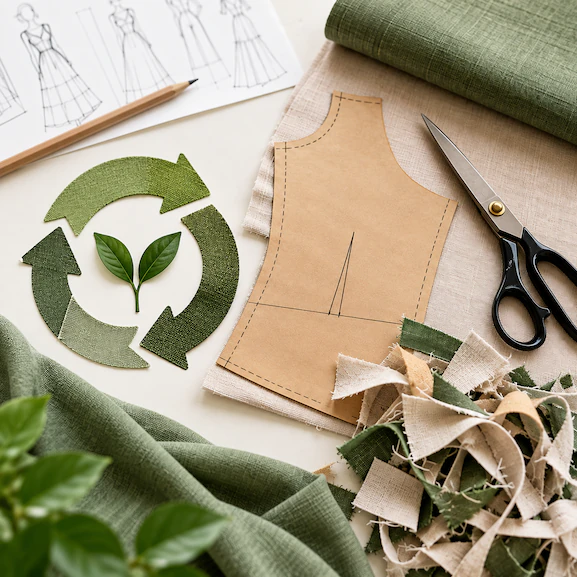 Another important part of responsible sourcing is understanding how much fabric is being wasted.
Fabric waste can occur during pattern making, cutting and production. While some waste may be unavoidable, better planning can help reduce unnecessary material consumption.
Founders should consider fabric efficiency when developing patterns and planning production quantities. Understanding how much material a garment requires can also help with cost planning and purchasing decisions.
For a growing fashion brand, reducing unnecessary waste isn’t only an environmental consideration. It can also contribute to better resource management and more efficient production.
Don’t Make Sustainability Claims You Cannot Support
One of the strongest messages from The Odd Factory’s content is that fashion brands should stop calling themselves sustainable if they cannot explain their sourcing.
This is particularly important because customers increasingly want to understand what stands behind a brand’s sustainability claims.
Before using terms such as “sustainable,” founders should ask:
- Where did the material come from?
- Who supplied or manufactured it?
- What information can be verified?
- How is the product produced?
- Are sustainability claims based on actual sourcing practices?
A sustainability message should be connected to a real system behind the brand. If a founder cannot explain the sourcing process, making broad sustainability claims can create more questions than answers.
Build the Right Vendor and Supplier Network
Finding the right supplier can be one of the most difficult parts of starting a fashion brand. Random contacts and unverified recommendations can lead to inconsistent quality, communication problems and production delays.
A structured vendor network gives founders a stronger foundation for sourcing.
The Odd Factory social content highlights the importance of having access to quality vendors, suppliers and manufacturers. For founders, this means creating a network that matches their product category, quality expectations, quantities and production requirements.
The right sourcing partner should not simply be someone who can manufacture a garment. They should be able to understand the requirements of the product and work with the founder through the development and production process.
Sustainability Should Begin Before Production
Sustainable sourcing should not be treated as something that happens after a design is completed. It should be considered during the early stages of product development.
A well-prepared fashion founder should have clarity around key production requirements before contacting a manufacturer, including:
- Product category
- Approximate quantity
- Fabric requirements
- Tech pack and specifications
- Size range
- Target cost
- Production timeline
Having these details ready can make conversations with manufacturers more productive and help suppliers understand what the brand actually needs.
Better preparation can also reduce unnecessary sampling, revisions and material usage.
Sampling Plays an Important Role
The sample stage is another important part of responsible fashion production. Before a garment reaches final production, sampling provides an opportunity to evaluate measurements, stitching, fabric, trims, finishing, comfort and functionality.
A sample should establish the standard that production needs to follow.
Approving the right sample can help create greater consistency across the final production run. It also gives founders an opportunity to identify problems before committing to larger quantities.
For this reason, sampling should not be viewed as simply “getting one piece made.” It is an important stage in translating an idea into a repeatable product.
Sustainable Sourcing Builds Customer Trust
Today’s fashion customers are more likely to question what happens behind a product. When a brand communicates its sourcing practices clearly, it can create greater transparency and confidence.
The goal isn’t to use sustainability terminology simply because it is popular. The goal is to understand the processes behind the product and communicate them honestly.
A fashion founder who can explain where their materials come from, who produces their garments and how their sourcing decisions are made is in a stronger position to build credibility.
Make Sustainability a System, Not a Marketing Word
Ultimately, sustainable fashion sourcing is about creating a responsible system behind the brand.
It starts with asking the right questions about materials, suppliers, manufacturing, waste and production. It continues through sampling, quality control and vendor management. Most importantly, it requires founders to ensure that their sustainability claims reflect what actually happens within their sourcing and production process.
Sustainable fashion isn’t simply about saying the right thing. It’s about being able to explain what happens behind the product.
For fashion founders, building the right sourcing network, understanding suppliers and making informed production decisions can create a stronger foundation for a brand that aims to grow responsibly.
You don’t have to build this sourcing system alone. The ODD Factory works with vetted, ethical fabric suppliers and manufacturers so you’re not starting your sustainability claims from zero. Explore our Sourcing Solutions