

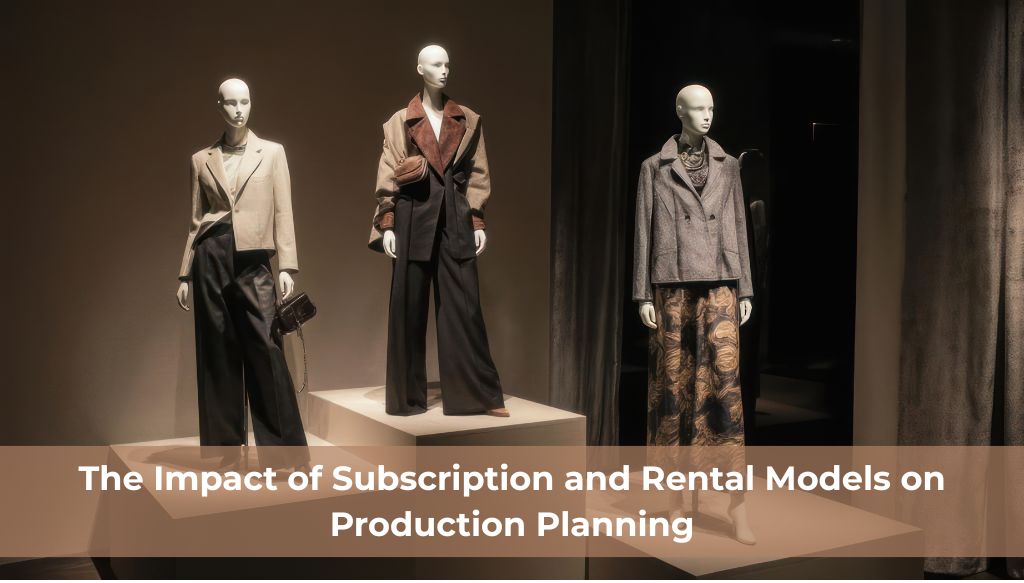
The fashion industry is undergoing a major shift. Ownership is no longer the only way consumers engage with clothing. Subscription services and rental platforms are redefining how people access fashion, especially in urban and premium markets.
From occasion wear rentals to curated monthly wardrobe subscriptions, these models are changing not just how consumers shop, but how brands design, produce, and manage inventory.
For manufacturers and fashion startups alike, this shift has a direct impact on production planning, fabric selection, and operational strategy.
Understanding Subscription and Rental Fashion Models
Subscription models provide customers with curated clothing delivered at regular intervals. Rental models, on the other hand, allow customers to borrow garments for short-term use, often for events or special occasions.
Both models reduce the need for ownership and emphasize access, variety, and convenience.
For brands, this means garments are no longer produced for a single purchase cycle. Instead, they must withstand multiple wears, cleaning processes, and repeated handling.
How These Models Are Changing Consumer Behavior
Modern consumers, especially younger demographics, are becoming more conscious of spending, sustainability, and wardrobe flexibility.
Instead of buying multiple outfits for limited use, they prefer:
- Renting occasion wear
- Subscribing to rotating wardrobes
- Accessing premium fashion without full ownership cost
This behavior increases demand for durable, versatile, and high-quality garments.
It also shifts the focus from “how much we sell” to “how long a garment performs.”
Impact on Production Planning
1. Focus on Durability Over Volume
Traditional retail often prioritizes quantity. Subscription and rental models prioritize longevity.
Garments must:
- Withstand multiple washes
- Retain shape and color over time
- Maintain structural integrity
This requires stronger construction techniques, reinforced stitching, and careful fabric selection.
Production planning must now account for lifecycle performance, not just initial appearance.
2. Fabric Selection Becomes Strategic
Not all fabrics are suitable for rental or subscription models.
Brands must choose materials that:
- Resist wear and tear
- Maintain drape after repeated use
- Are easy to clean and maintain
This often shifts preference toward higher-quality fabrics and blends that balance comfort with durability.
Manufacturers play a key role in guiding these decisions based on fabric behavior and usage conditions.
3. Reduced Inventory, Increased Rotation
Unlike traditional retail, where inventory is sold and replaced, rental and subscription models rely on rotating inventory.
This changes how production is planned:
- Smaller initial production runs
- Higher focus on quality over quantity
- Continuous monitoring of garment condition
Brands must track how garments perform over time and plan replenishment accordingly.
4. Need for Standardization and Consistency
Since garments are reused multiple times, consistency becomes critical.
Each piece must maintain:
- Identical fit across uses
- Stable construction
- Predictable wear performance
Production planning must ensure that every batch meets the same standards, reducing variation and maintaining brand reliability.
5. Integration of Maintenance and Lifecycle Planning
Production is no longer the end of the process. It is part of a larger lifecycle.
Brands must consider:
- Cleaning and maintenance processes
- Repair and refurbishment systems
- End-of-life garment recycling
Manufacturing decisions now influence how easily garments can be maintained and reused.
Challenges for Fashion Brands
While subscription and rental models offer exciting opportunities, they also introduce new challenges:
- Higher upfront production costs due to quality requirements
- Complex inventory tracking systems
- Need for strong operational workflows
- Balancing aesthetics with durability
Brands must rethink their approach to both design and production to succeed in this space.
The Role of Manufacturers in This New Model
Manufacturers are no longer just production units. They are strategic partners in building systems that support these new business models.
Experienced manufacturers help brands:
- Select the right fabrics for repeated use
- Optimize construction techniques for durability
- Reduce defects and returns
- Maintain consistency across production batches
This collaboration ensures that garments perform well beyond the first wear.
Why This Model Supports Sustainability
Subscription and rental models are closely linked to sustainability. By extending the lifecycle of garments, they reduce overall consumption and waste.
Instead of producing more units, brands maximize the use of each garment.
However, this only works if garments are made to last. Poor-quality production defeats the purpose by increasing replacement frequency.
This is why quality manufacturing becomes central to sustainability in these models.
What This Means for Fashion Startups
For startups, subscription and rental models offer a unique opportunity to enter the market with lower inventory risk.
Instead of producing large collections, brands can:
- Launch with a smaller, high-quality range
- Test demand through usage patterns
- Optimize designs based on performance data
However, success depends on building a strong production foundation from the beginning.
The Future of Fashion Production
As fashion continues to evolve, production planning will move toward efficiency, durability, and adaptability.
Subscription and rental models are not replacing traditional retail, but they are influencing it. Even direct-to-consumer brands are beginning to adopt elements of these models.
Manufacturers and brands that adapt early will be better positioned to succeed in this changing landscape.
Final Thoughts
The rise of subscription and rental fashion is redefining how garments are designed, produced, and consumed.
Production planning is no longer just about meeting demand. It is about creating products that can perform repeatedly, maintain quality, and support new ways of accessing fashion.
For brands and manufacturers alike, this shift presents both a challenge and an opportunity.
In the future of fashion, success will not just depend on how much you produce – but how well your garments last.